
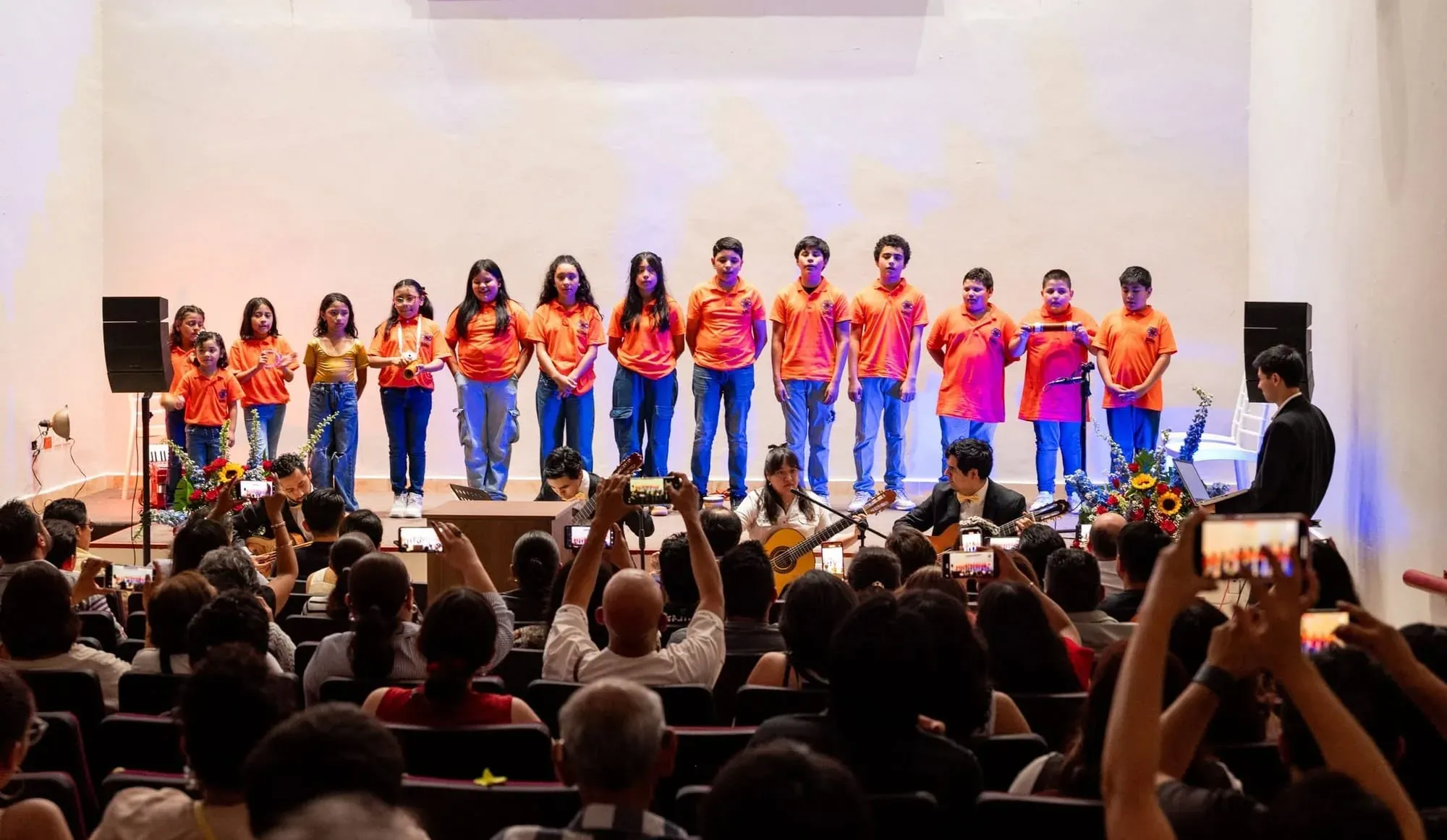
Ollin Cuauchinanco A.C. is an Associated School of Artistic Initiation of Mexico's INBAL, within the National Program of Associated Schools of Artistic Initiation, in Huauchinango, Sierra Norte de Puebla. Twenty-five students, girls, boys and preteens, in four disciplines: dance, music, theater and visual arts. It was founded by Ángeles Rodríguez, born in Huauchinango and a graduate of the Nellie and Gloria Campobello National School of Dance of INBAL, with a degree in Dance Education specializing in folk dance, a teacher at her city's technological institute and teachers' college; she is the president of the association, the director of the school and, almost always, its entire administrative staff.
I was prejudiced about AI, but experimenting with it I realized it could give Ollin a turn in organization and communication. As the solitary manager of an arts school, with everything that entails, I value this like a team of eight.
— Ángeles Rodríguez
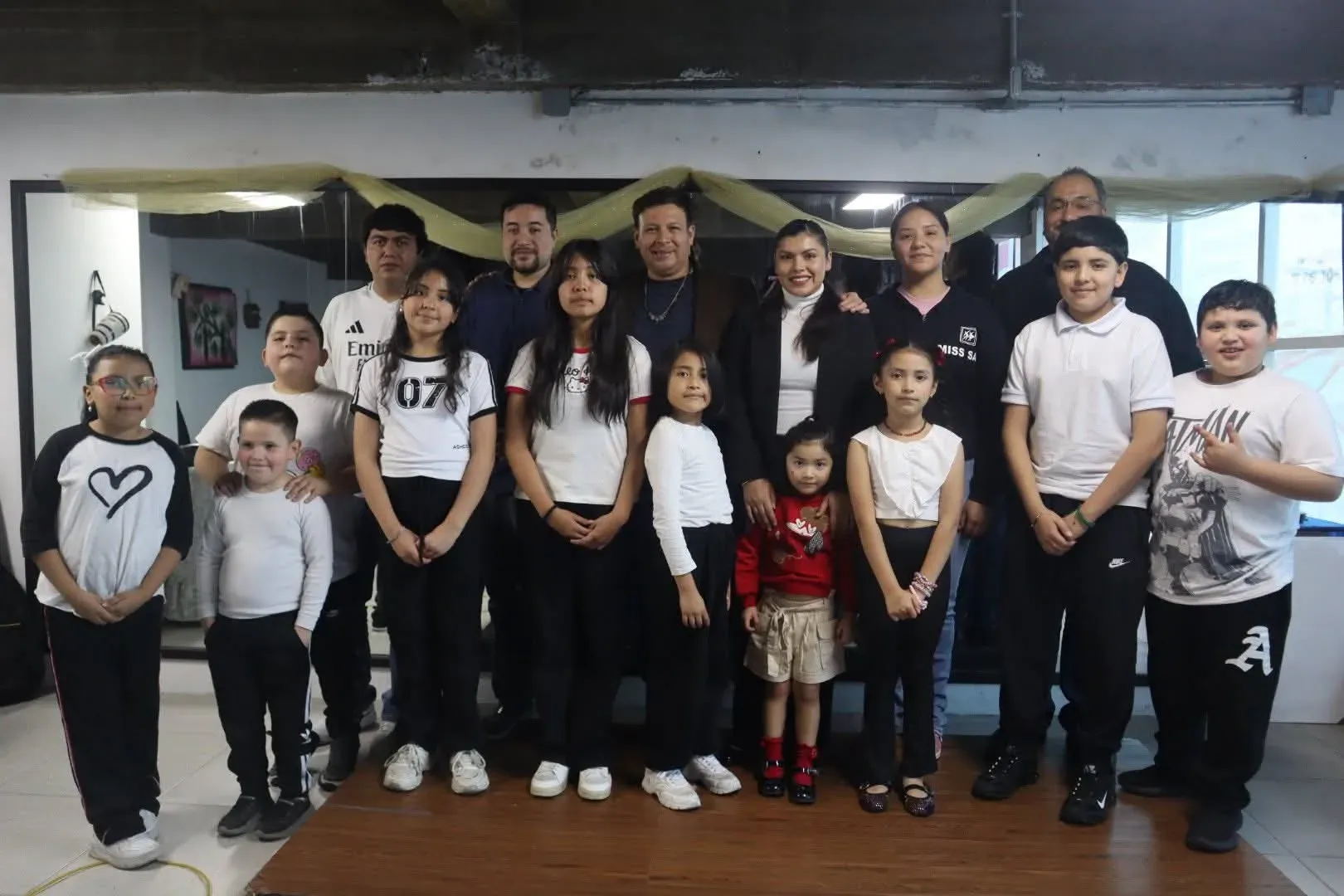
A school like this has two faces. The visible one is the hall of mirrors, the girls in lace veils, the choir at the closing ceremony. The invisible one is a nonprofit with paperwork, a calendar that forgives nothing, accounts to balance, enrollments to chase and publicity to make. And one single person for all of it, who also teaches.
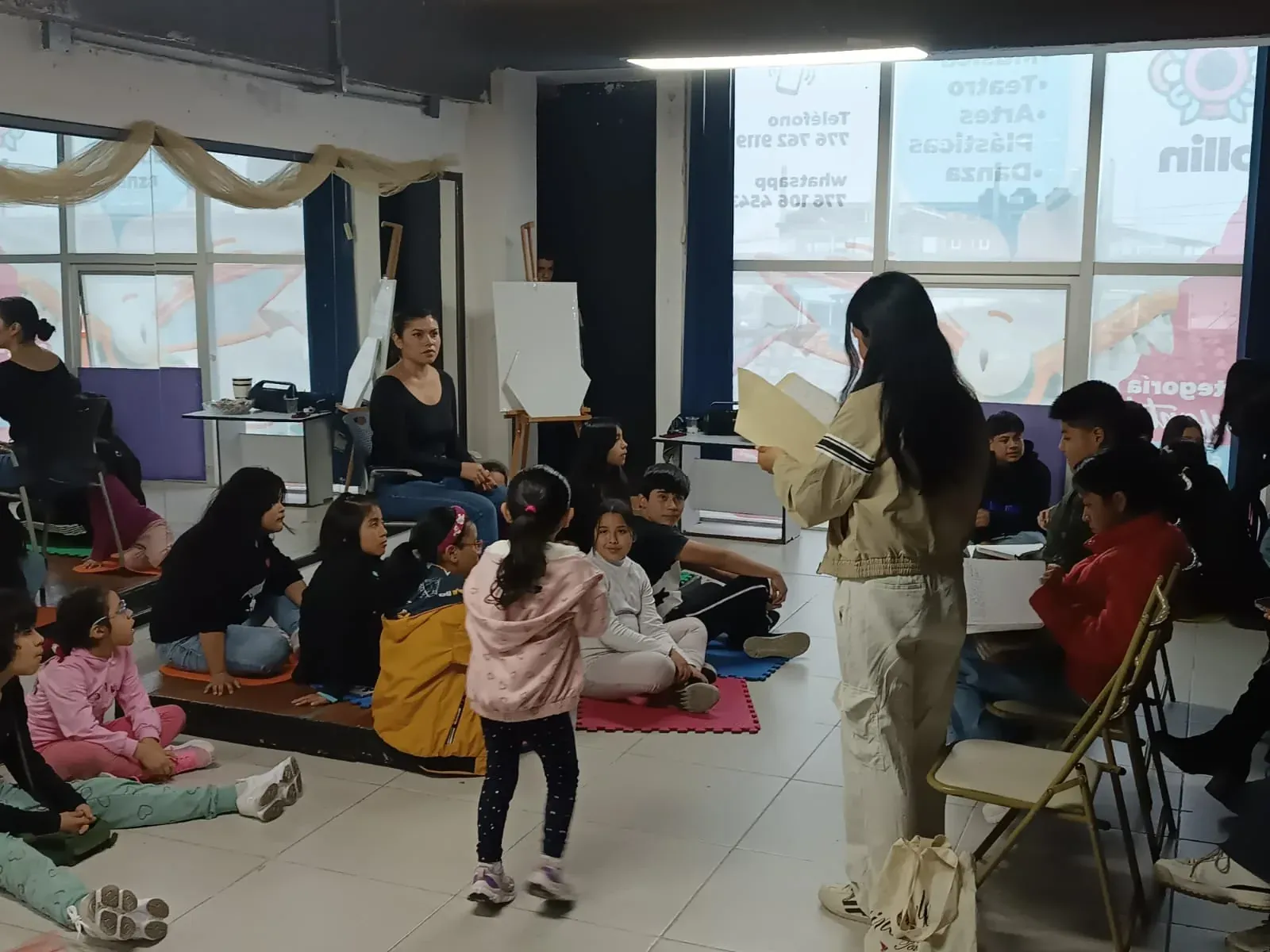
It started with research, not with the school.
The first session was in September 2025 and had nothing to do with Ollin. Ángeles wanted to strengthen a community research project of her own and I showed her Gemini and NotebookLM: how to ask the machine precise questions, how to demand a report with verified sources, how to turn findings into audio and infographics for her community. That is where the prejudice fell away. What came next was her idea: if this works for research, it works for running things.
The association's paperwork, without a lawyer.
In January 2026 we sat down to make it real. The plan was simple and it held: gather the association's documents, order them into folders without chasing perfection, and build from them an assistant of her own in Gemini, a robot of the nonprofit carrying Ollin's charter, its vision and its structure, able to review agreements and answer operational questions. With that assistant, Ángeles prepared the founding document and the legal corrections INBAL required to approve the school: she filled in the data, established the legal consistency, set down the facts. She reviewed and filed. They worked. It is the case that gets told the least and the one that small schools most need to hear.
A light system for running it alone.
The rest is less showy and it decides whether the school is still open next year. Separating Ollin's pending tasks from personal ones. Writing every task as a concrete action, with a recipient and an objective, to lower the mental load. A filter for deciding what happens and what does not, protecting time, energy and money. Hunting down dead weight: subscriptions being paid for and never used. Scheduling across groups, disciplines and teachers; the calendars of the school year, with its showings and its closing ceremonies; the finances of a free school. And a five-year vision with goals that can be measured. None of this is glamorous. All of this is what holds up the hall of mirrors.
The enrollment campaign.
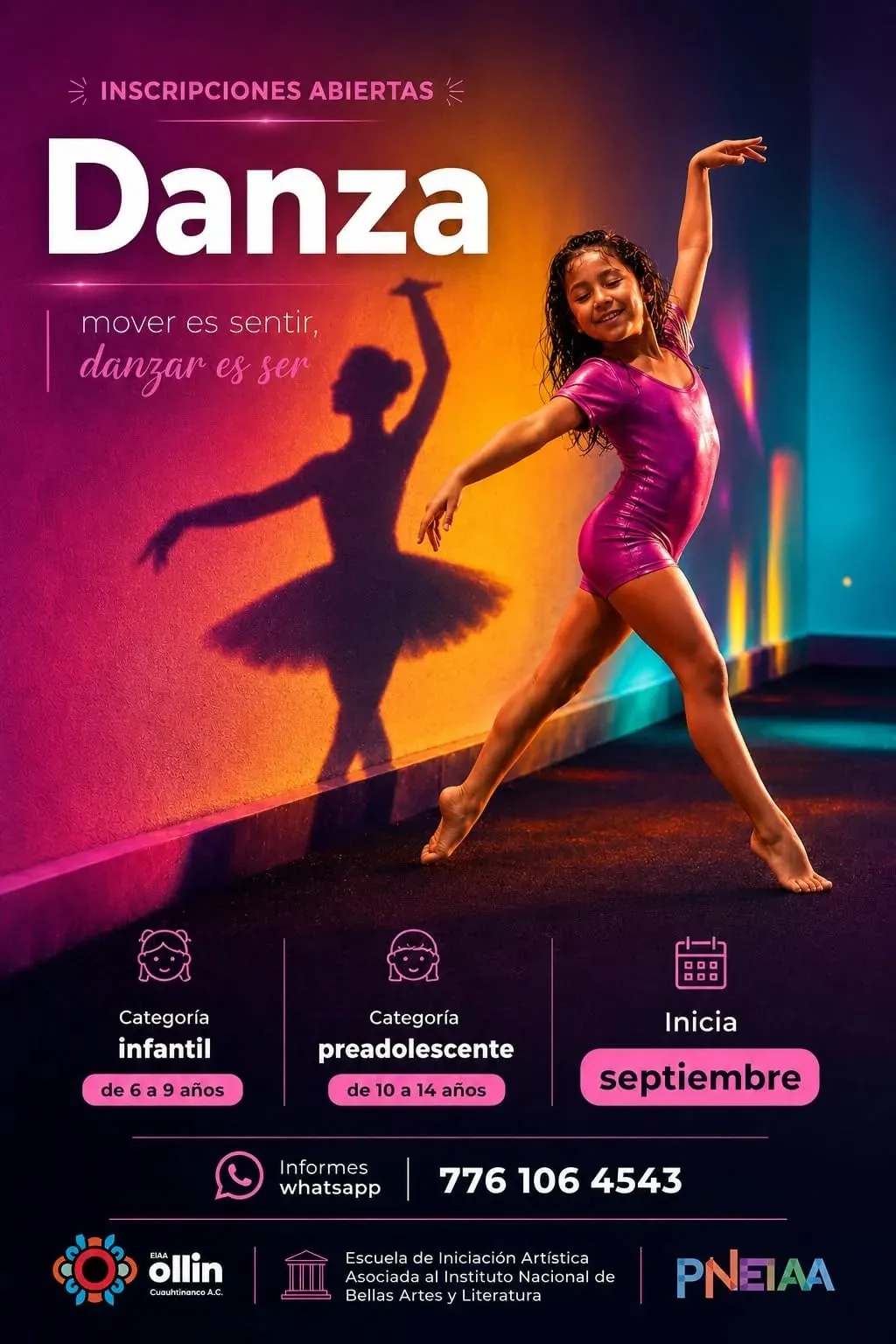
In July 2026, Ángeles used ChatGPT to make the enrollment campaign for the year starting in September: one poster per discipline and one general poster, under a design system of her own that she wrote down so she could repeat it. The governing idea: the talent that starts today projects the artist it could become. In each poster, a real student occupies the present and an adult, professional shadow occupies the future; the discipline is the bridge. Cold and warm light, one accent color per discipline, a dark block at the bottom with the details. A school of twenty-five students with the campaign only a big academy could afford before.
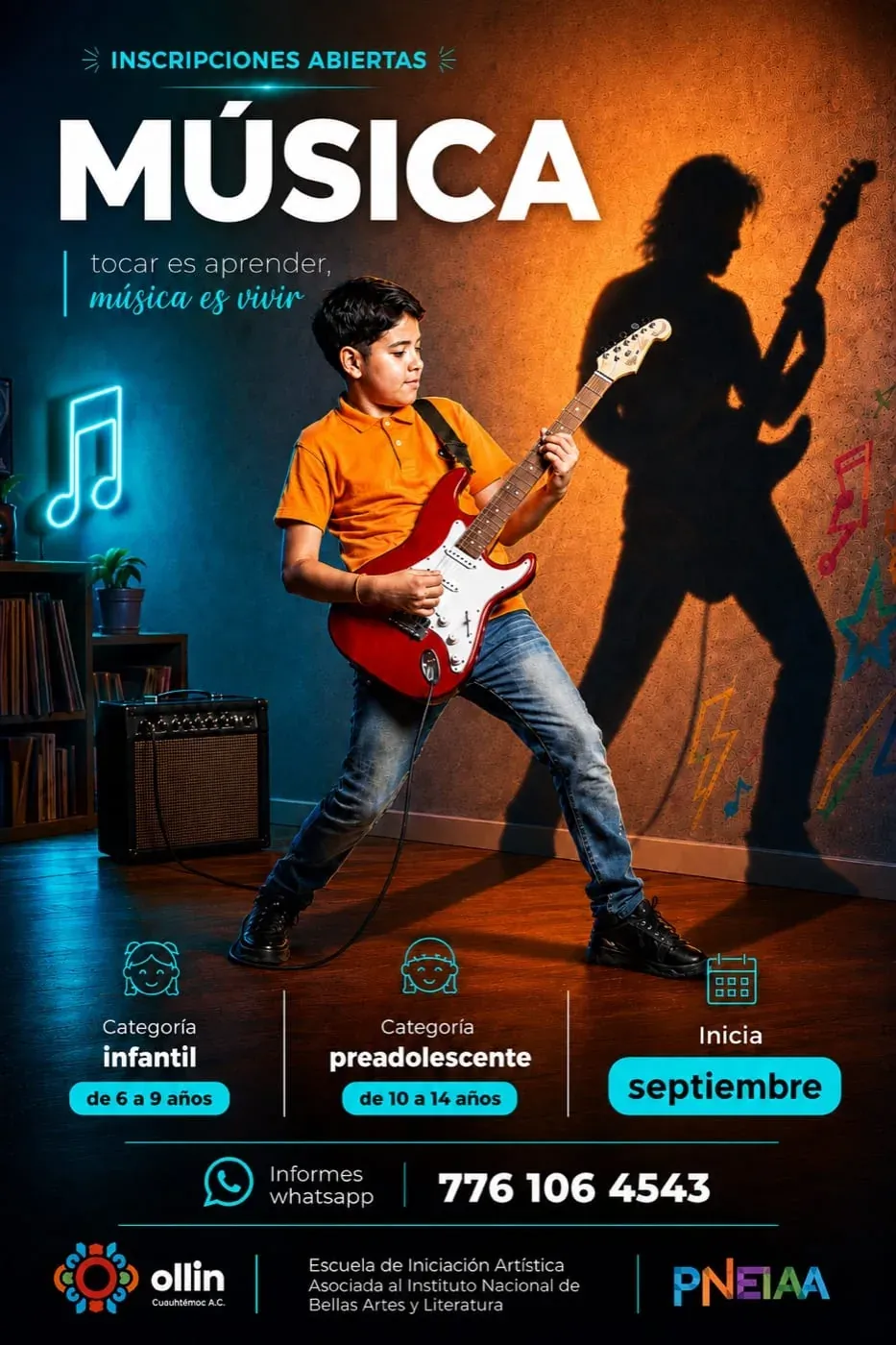
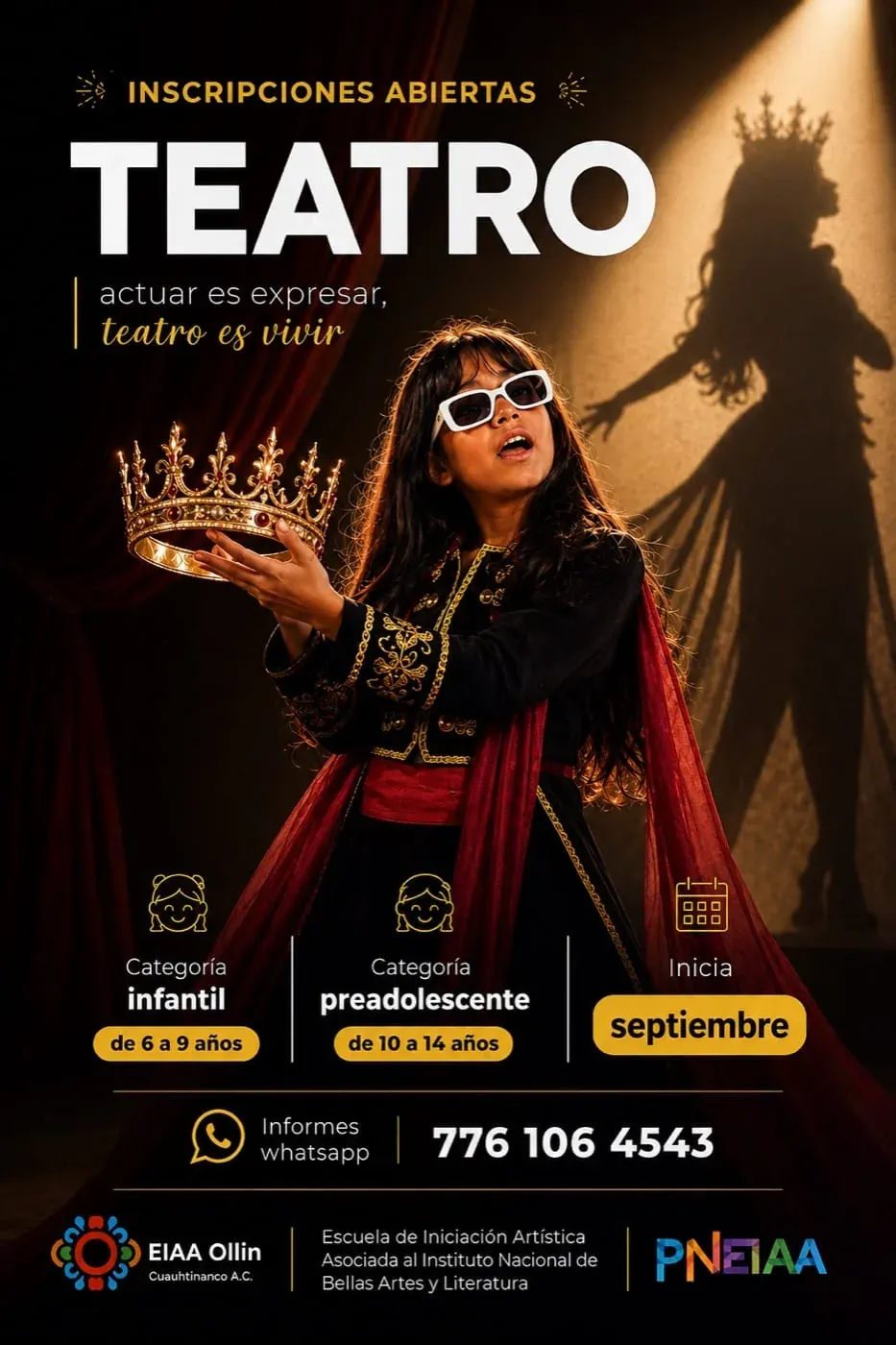
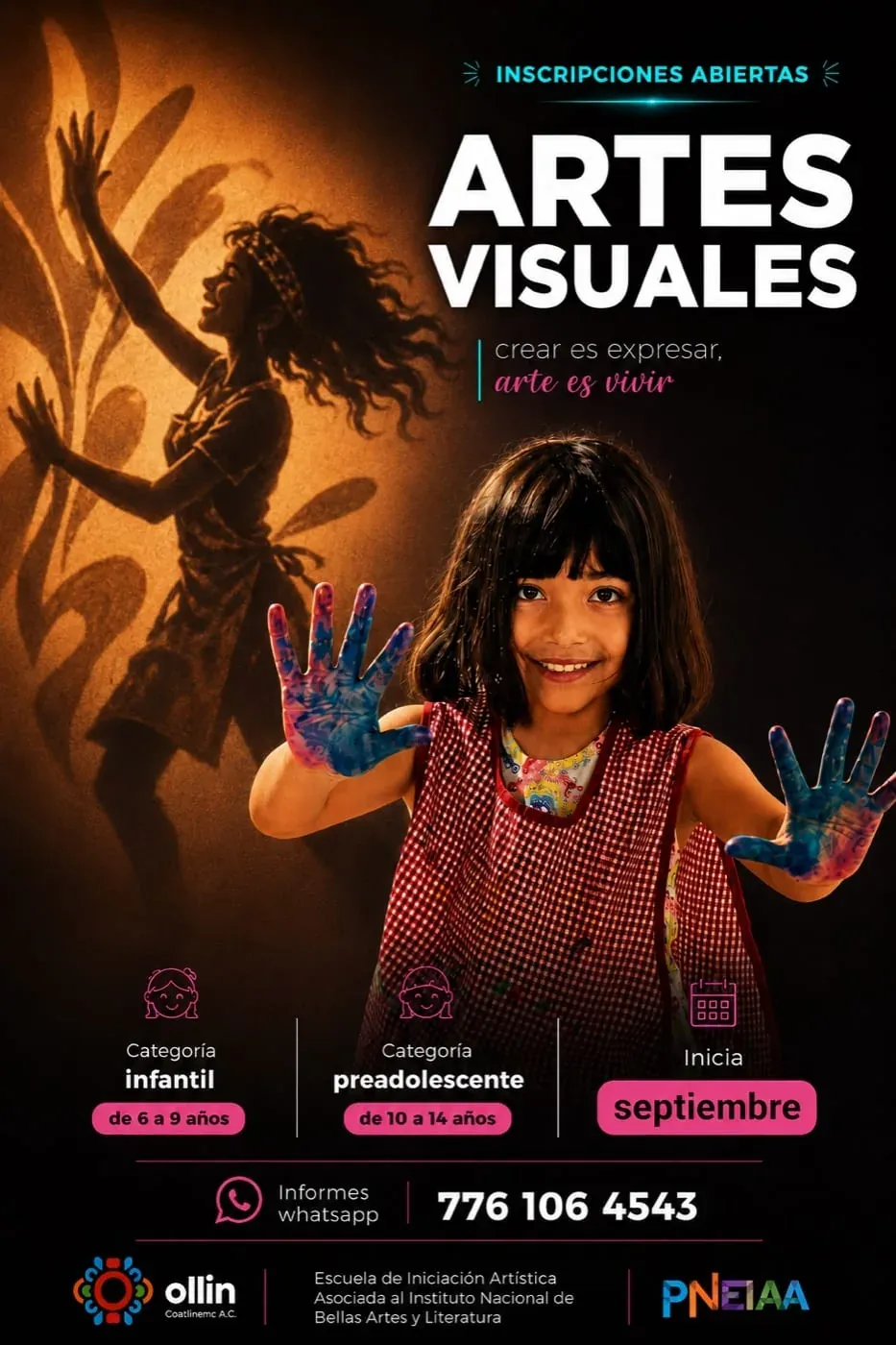
The follow-up on enrollments, from the open call to the final list, also runs through the machine. And the previous year closed at the Huauchinango city hall auditorium, in July, with the school choir singing in front of an audience holding up their phones: the photograph that opens this article.
From management to the stage.
In the same house Sirena Interior was born, the piece Ángeles and I composed with artificial intelligence on a poem by Princesa Hernández, which she choreographed and dances on the La sin rumbo tour. It has also been danced by Alis, an Ollin student, nine years old, alone, at the graduation of the Centro Escolar General Rafael Cravioto Pacheco high school. And out of that piece came the course-workshop Music for Dancers, presented jointly by Ollin and Syncron iA. The whole story is in its own article.
What it proves.
That artificial intelligence serves the invisible first. A director with no administrative staff can hold up an institution with judgment of her own: the machine drafts, orders and proposes; she decides, reviews and signs. And that once the invisible is handled, there is time and head left for what does get seen: twenty-five children singing in the town auditorium, and one of them dancing alone at a graduation.